The end of the annual tax return: How quarterly MTD updates work.
For decades, the rhythm of the self-employed tax year has built up to one massive crescendo: the January 31st Self Assessment deadline. It’s a time of frantic receipt hunting, complicated spreadsheets, and caffeine-fuelled weekends trying to remember what a specific £42.50 expense from nine months ago was actually for.
But starting April 6, 2026, the January rush is officially being retired.
Making Tax Digital (MTD) for Income Tax is replacing the traditional annual tax return with a new system of continuous digital record-keeping and quarterly updates. Here is exactly how the new system works, what you need to submit, and when.
What exactly is a quarterly update?
The biggest fear most sole traders and landlords have about MTD is that they will have to file four full tax returns a year.
Breathe easy—that is not the case. A quarterly update is simply a high-level summary of your business income and allowable expenses for that specific three-month period. It doesn’t include complex tax calculations, year-end accounting adjustments, or claims for specific tax reliefs.
It is just raw data: money in, and money out, sorted into standardised HMRC categories. The goal is to give HMRC a real-time view of your business, and to give you an estimated calculation of your upcoming tax bill so you aren't hit with any nasty surprises.
The new submission deadlines.
Under MTD, the tax year is broken down into four quarters. You will have a short window after the end of each quarter to submit your update using compatible software.
Your new submission deadlines will be:
Quarter 1 update: Due by 7 August
Quarter 2 update: Due by 7 November
Quarter 3 update: Due by 7 February
Quarter 4 update: Due by 7 May
Note: Missing these deadlines will trigger HMRC’s new points-based penalty system. Accumulate too many points for late quarterly submissions, and you will face automatic financial fines.
The final declaration.
Because your quarterly updates are just raw, unadjusted summaries, you still need a way to finalise your tax position at the end of the year. This effectively replaces your old Self Assessment tax return.
By January 31st following the end of the tax year, you must submit a Final Declaration. This is where you (or your accountant) will:
Add in any non-business income (like savings interest, dividends, or a standard PAYE salary).
Claim capital allowances or specific tax reliefs.
Make any final accounting adjustments to the data you submitted in your quarterly updates.
Confirm that your data is 100% accurate and final.
You will then pay your final, calculated tax bill by the usual January 31st deadline.
Why you can't catch up in January anymore.
Under the old system, you could safely ignore your bookkeeping for 11 months and blitz it in January. Under MTD, doing that will guarantee you miss your quarterly deadlines and rack up penalties.
HMRC now requires an unbroken "digital link" from your bank transactions to your final submission. You must keep your records digitally, and you must do it continuously throughout the year.
Automate the heavy lifting with Avona.
Filing four times a year sounds like four times the work—but it doesn't have to be. In fact, with the right software, it takes significantly less time than the old annual method.
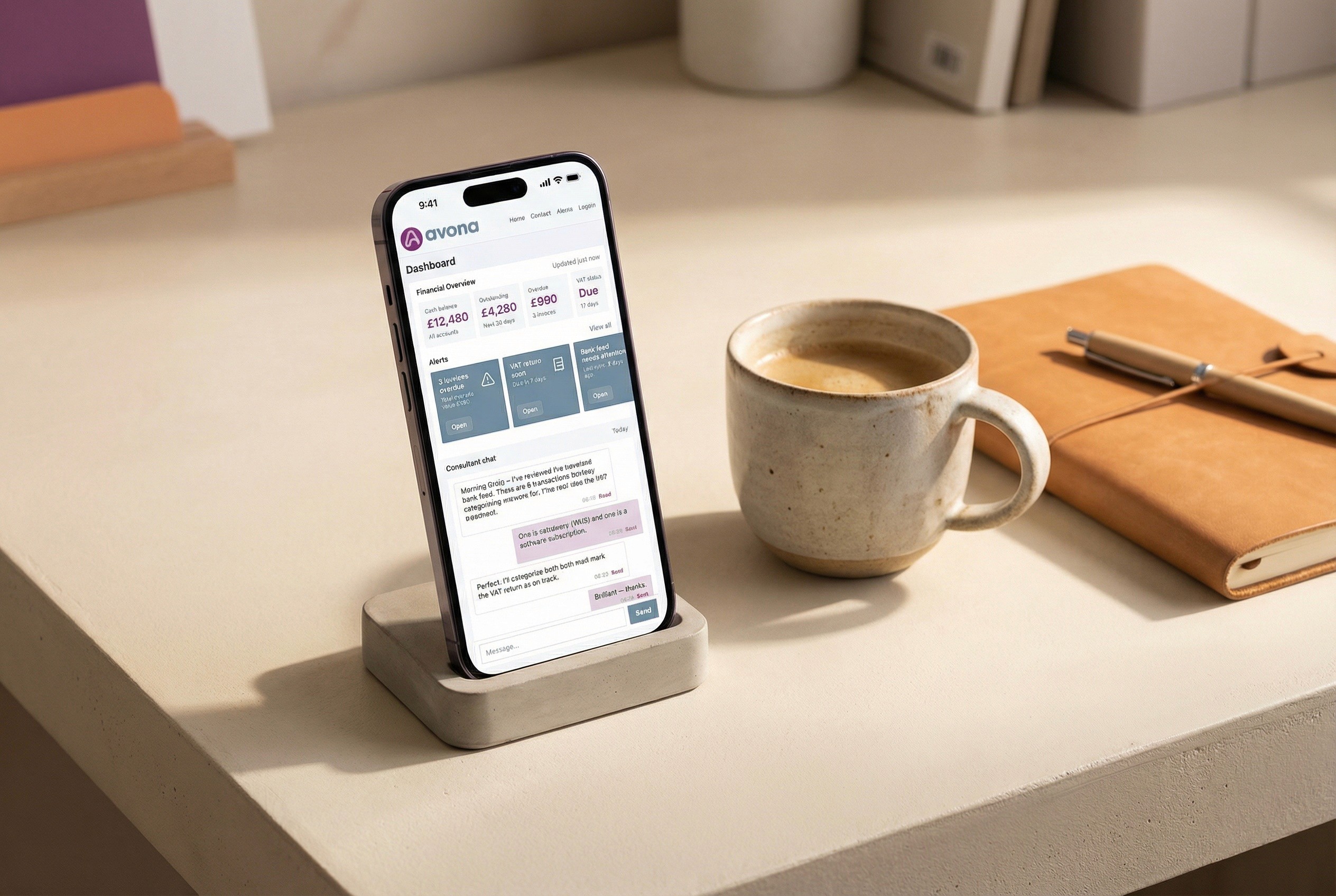
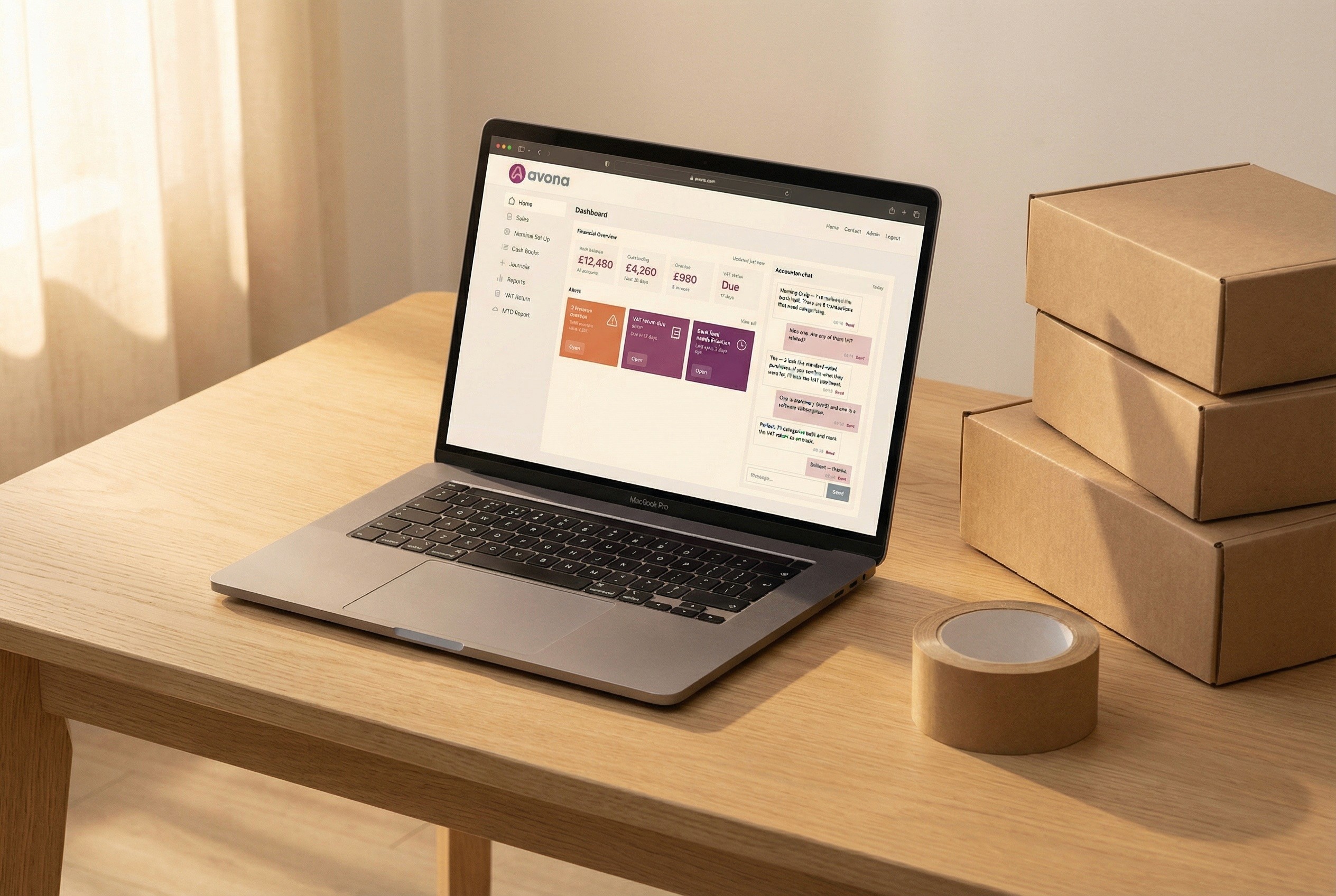
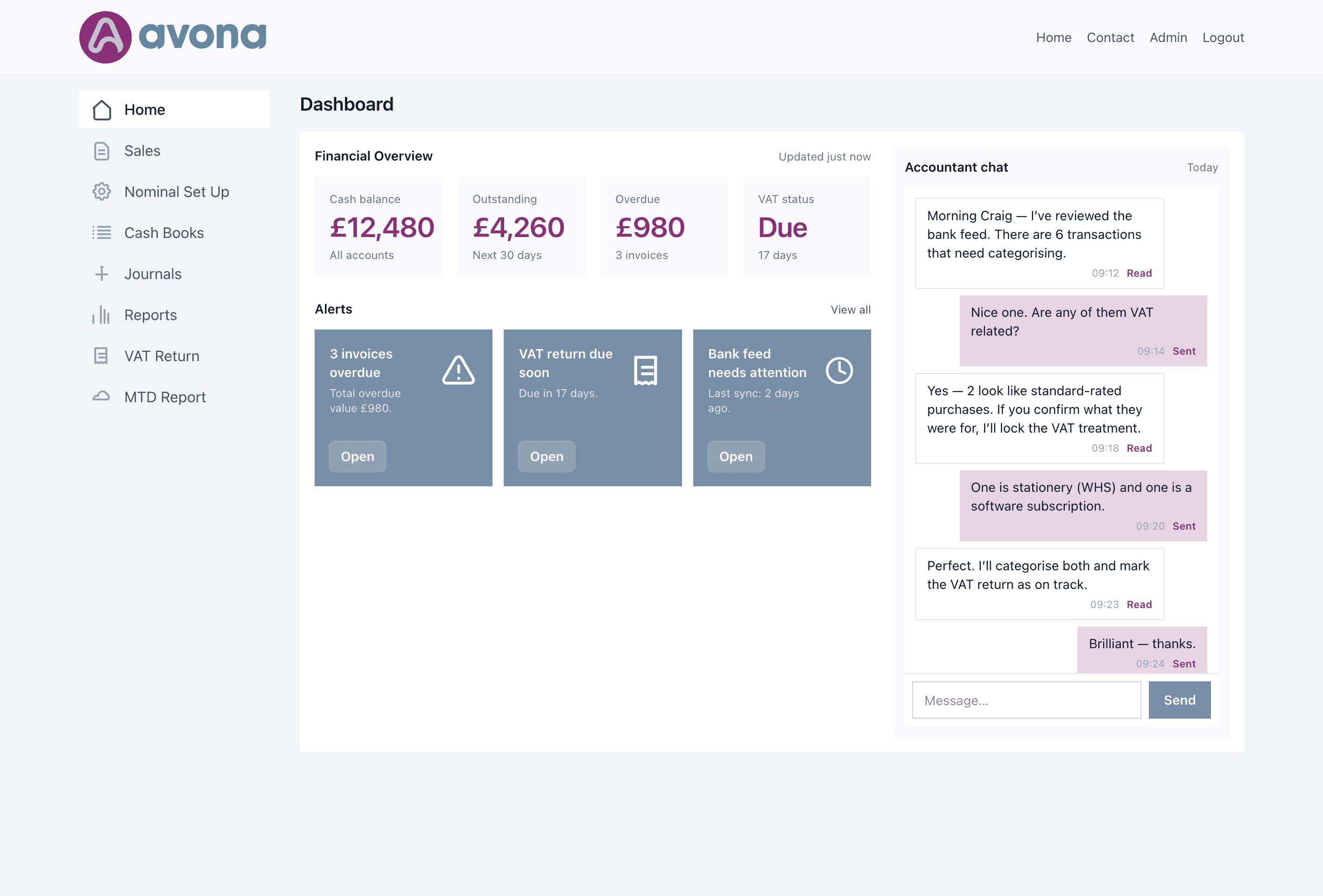
Avona connects directly and securely to your business bank account. As you buy supplies or get paid by clients, Avona automatically tracks and categorises the transactions in the background. When your quarterly deadlines roll around, your update is already built. You just review it, click submit, and get back to your day.
Join the Avona Waitlist Today to say goodbye to the January tax panic forever.