
Making Tax Digital · Sole traders
Domestic and commercial cleaners: industrial vacuums, chemicals, and MTD filing
ONLY£15A MONTHUnderstand cleaning supplies, vacuum costs, protective clothing, travel and quarterly Making Tax Digital records for self-employed cleaners.
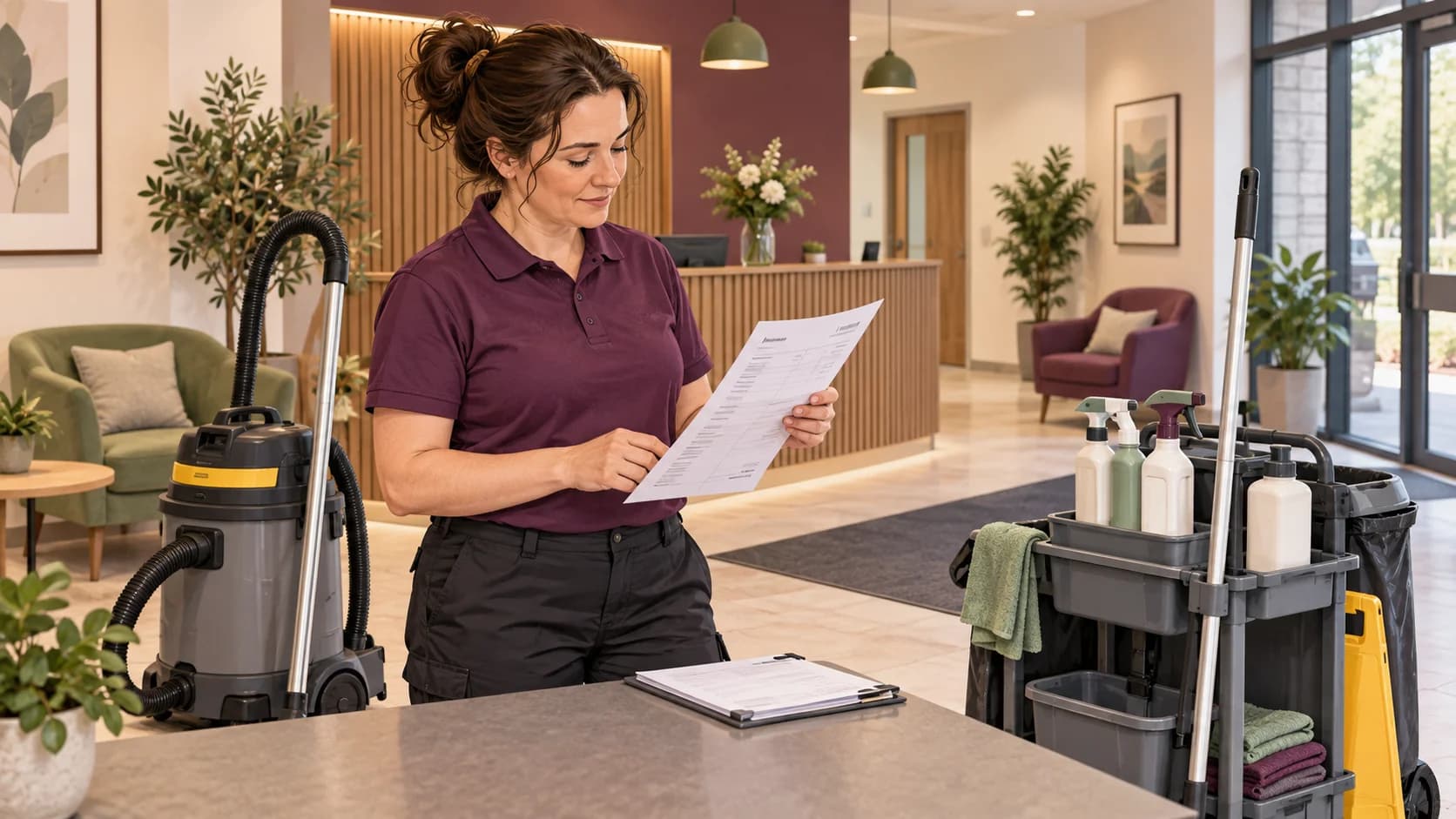
Cleaning businesses often have plenty of small expenses and little spare time to organise them. Cloths, filters and travel between properties may look minor individually, but leaving them out can distort the profit you report.
Making Tax Digital is easier to approach as a regular record of jobs, payments and genuine business costs. You do not need complicated descriptions; you need enough information to explain what you earned and what each purchase was for.
When Making Tax Digital applies
Making Tax Digital for Income Tax changes how qualifying sole traders and landlords keep records and report income. Under HMRC’s timetable, the starting points are:
- From 6 April 2026, if qualifying income exceeded £50,000 in 2024–25.
- From 6 April 2027, if qualifying income exceeded £30,000 in 2025–26.
- From 6 April 2028, if qualifying income exceeded £20,000 in 2026–27.
Qualifying income generally means gross self-employment and property income combined, before expenses. Salary, pension income and dividends do not count towards this particular test. Check HMRC’s qualifying income guidance, including the treatment of VAT and shorter accounting periods where relevant.
The test uses the relevant earlier tax year; passing a figure during a busy month does not mean you join that day. Exemptions can apply. These rules concern your individual business and property income, rather than a limited company’s Corporation Tax reporting.
Cleaning materials and hired equipment
Commercial chemicals, microfibre cloths, mop heads and suitable protective gloves can be allowable when bought for customer work. Keep the receipt, including where the purchase is made alongside personal shopping. Only the business part belongs in the claim.
Steam cleaner or carpet extraction hire can also be a business expense. Distinguish the hire charge from a refundable equipment deposit and retain evidence of damage charges or refunds if they arise. A credit from the hire company should not disappear because the original cost was recorded last month.
Section 34 of the Income Tax (Trading and Other Income) Act 2005 establishes the business purpose test. HMRC’s guidance explains how private spending affects a deduction. Products used to clean your own home do not qualify merely because they are bought from the same supplier.
Vacuum cleaners, filters and maintenance
A commercial Henry, Sebo or other vacuum used in the trade can qualify for tax relief. Under the cash basis, most eligible equipment is deducted when paid for. Traditional accounting normally uses capital allowances for lasting equipment purchases.
Replacement filters, belts, bags and ordinary repairs are different from buying a new machine. Keep those costs identifiable so you can also see whether an unreliable vacuum is becoming expensive to maintain. Do not claim accounting depreciation as an extra tax deduction.
PAT testing is not automatically an annual legal requirement
Appropriate business electrical inspection and testing costs can be allowable. However, the HSE explains that the Electricity at Work Regulations 1989 do not prescribe annual PAT testing. Maintenance arrangements should reflect the equipment and its use; a client’s contract may also impose requirements.
Record the actual inspection or testing service purchased. There is no tax allowance simply for putting an estimated annual testing amount into the accounts when no cost has been incurred under the applicable accounting rules.
Clothing and travel between properties
Protective gloves, appropriate protective aprons and qualifying safety footwear may be deductible. Ordinary clothing is generally excluded even if you wear it only while cleaning. HMRC’s clothing guidance provides the distinction.
Keep a journey record for travel between clients and qualifying trips to collect supplies. Public transport fares can be allowable business travel. Home-to-work journeys need assessing on the actual pattern, particularly where you regularly clean at one fixed location.
For an eligible car or van, compare simplified mileage with actual costs, subject to previous claims. The 2026–27 mileage rate is 55p for the first 10,000 business miles and 25p thereafter. Do not add fuel, insurance and repairs that the mileage rate already covers.
Worked example: a cleaning week
Hannah uses the cash basis and is not VAT registered. She receives £700 from completed jobs and has the following allowable costs, all paid during the week.
| Item | Amount |
|---|---|
| Customer receipts | £700 |
| Business cleaning supplies | £48 |
| Extraction machine hire | £60 |
| Eligible business bus fares | £22 |
| Result before other costs | £570 |
Her supermarket receipt also includes £18 of family shopping. That £18 is excluded. If £200 of the customer receipts arrive in cash, they still form part of the £700 income. Banking that cash later must not create another sale.
The example assumes the hire payment is an actual charge, with no refundable deposit included. Hannah keeps the hire invoice so that distinction can be checked.
Commercial contracts and helpers
Keep contract invoices and remittance advice where a commercial customer settles several jobs together. With the cash basis, an unpaid invoice is generally not income until payment is received, but your outstanding-invoice list remains useful for collecting the debt.
If you pay someone to help, establish whether the arrangement is employment or genuine self-employment. Calling a worker a subcontractor is not decisive. HMRC’s employment status guidance explains the distinction; payroll or other obligations can follow from the actual working relationship.
Construction-related cleaning can also raise CIS questions, unlike ordinary recurring domestic cleaning. Assess the contract where work is connected with construction completion, rather than treating every cleaning job as identical.
A manageable quarterly routine
For a business using standard tax-year periods, the 2026–27 quarterly update deadlines are 7 August 2026, 7 November 2026, 7 February 2027 and 7 May 2027. Updates are cumulative: each covers the tax year so far. Calendar update periods are also available, with the same deadlines.
Keep digital income and expense records, reconcile them regularly and send the required totals through compatible software. The Income Tax (Digital Obligations) Regulations 2026 underpin the requirements; HMRC’s digital record-keeping notice explains the applicable directions. A bank feed needs supporting detail wherever a payment conceals fees, private purchases or several transactions.
Normally, record the transaction date, amount and relevant category, retaining supporting invoices or receipts. HMRC’s digital records guidance explains permitted simplifications and digital links where more than one software product is used.
Quarterly updates do not replace the annual tax return. The 2026–27 return is due by 31 January 2028, and normal tax payment dates continue. HMRC is not applying late quarterly update penalties for 2026–27, but digital records and updates are still required. That first-year approach does not waive other filing or payment obligations.
Keep the routine short and useful
Regularly check customer receipts, mixed shopping and equipment costs while you remember them. Avona.app is £15/month, with Avona AI supporting categorisation. Avona Concierge, managed by chartered accountants, starts from £60/month if you would prefer help with the records and reporting.